By Sangeet Karamchandani, Partner, COO, & CTO, Building Kidz School
When candidates come to me exploring franchising for the first time, there’s usually a predictable flow to our conversations. They have important questions about brand strength, unit economics and what the day-to-day looks like. However, no matter where we start, a candidate will ask where can I operate, and how do we make it work?
The real estate question feels big before you’ve worked through it. It touches on capital, community and market viability all at once, and for someone new to franchising, it can feel like the most confusing piece of an already challenging decision. Candidates will walk away from genuinely strong opportunities, not because the brand wasn’t compelling or the unit economics weren’t there, but because they couldn’t see a path to making the location work. That’s a problem worth solving, and the franchise industry doesn’t talk about it enough.
Not all franchise models treat real estate the same way. The ones that build flexibility into their approach give franchisees a meaningful, durable advantage – including where they can operate, how quickly they can reach profitability and how far they can scale. Understanding that distinction before you start evaluating opportunities can change everything about how you search.
When the Box Doesn’t Fit the Market
Many franchise systems are built around a single real estate format. The prototype is fixed, the square footage is defined, and franchisees operate from a specific footprint in a certain type of location. There’s real logic to that. Standardization is part of what makes a franchise a franchise, and it’s what produces a consistent experience, predictable unit economics and streamlined operations.
However, when the real estate is non-negotiable, it introduces a challenge that compounds at every stage of the franchisee journey – including site selection, lease negotiations, initial investment, market entry and growth.
According to the International Franchise Association’s 2026 Franchising Economic Outlook, the average initial investment to open a new franchise range from $1.81 million to $4.94 million. Real estate is a primary driver of that investment. Brands requiring new-build or standalone construction sit at the high end of that range. Franchisors that can work across multiple site structures have more tools to bring that number down, and to open the door to a wider pool of qualified candidates. The IFA also notes that franchisors are already responding to real estate pressure by accelerating smaller footprints, repurposed spaces and non-traditional formats as growth strategies. That’s the industry acknowledging that format flexibility has become a competitive advantage.
Flexibility Isn’t a Workaround – It’s a Strategy
Real estate flexibility doesn’t mean operating without standards. It means building a model that consistently meets brand standards across a range of formats and site types, which includes new development, conversions of existing space and acquisitions of independent operators, as well as partnerships with property owners who already have infrastructure.
When a system is designed to work across that range, the number of viable markets expands because franchisees aren’t chasing a narrow category of available real estate. The opportunity is now available to more candidates because the model accommodates different capital levels, risk tolerances and growth timelines. Plus, the path to profitability can be faster, because a franchisee who converts an existing facility or shares costs with a property partner isn’t starting from zero.
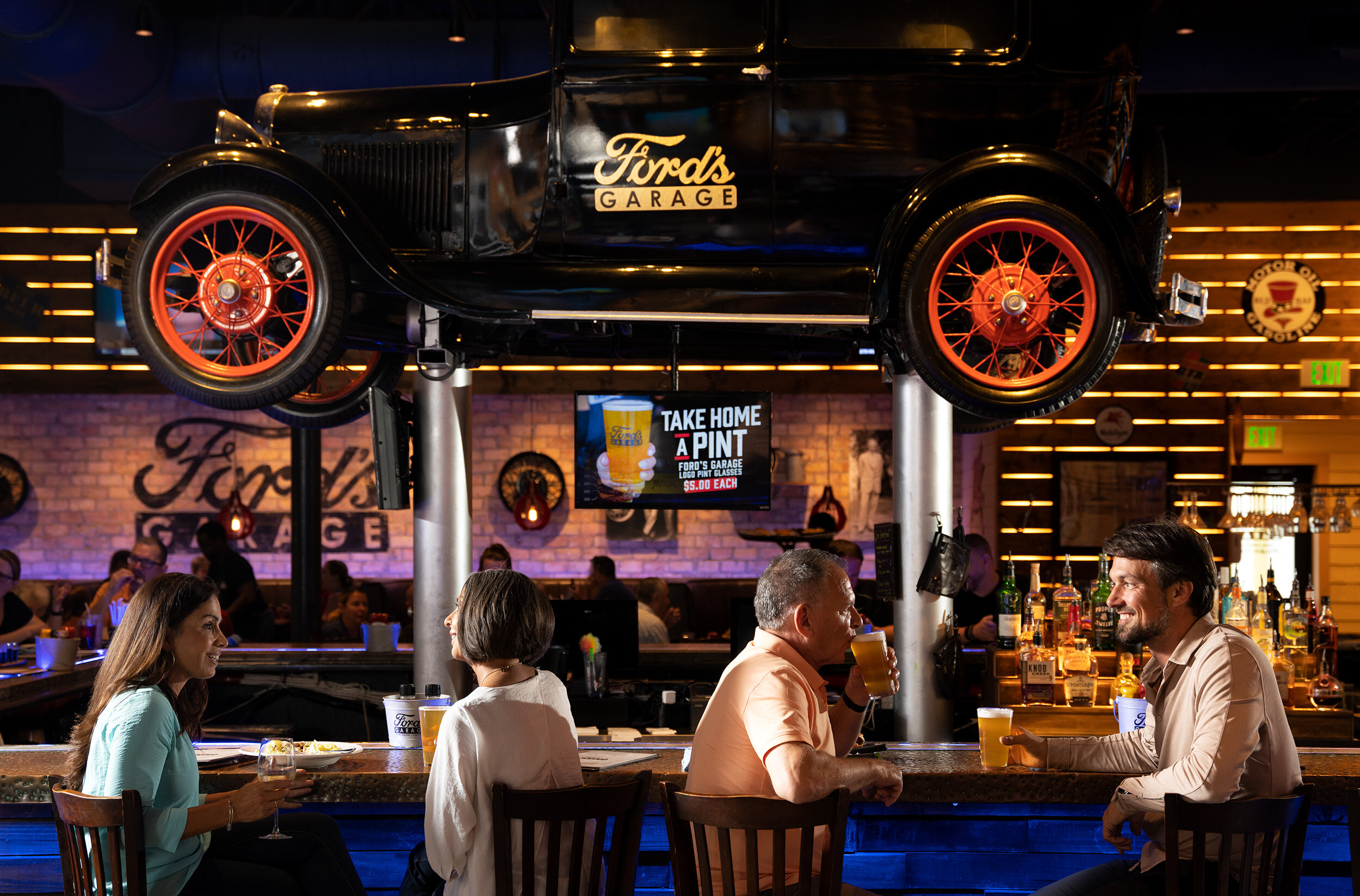
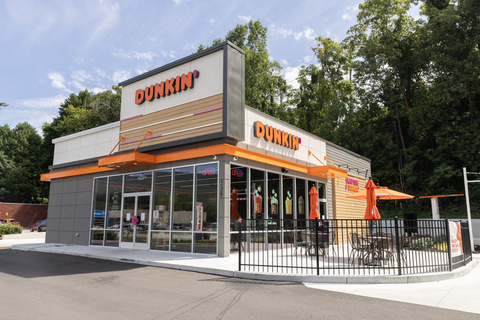
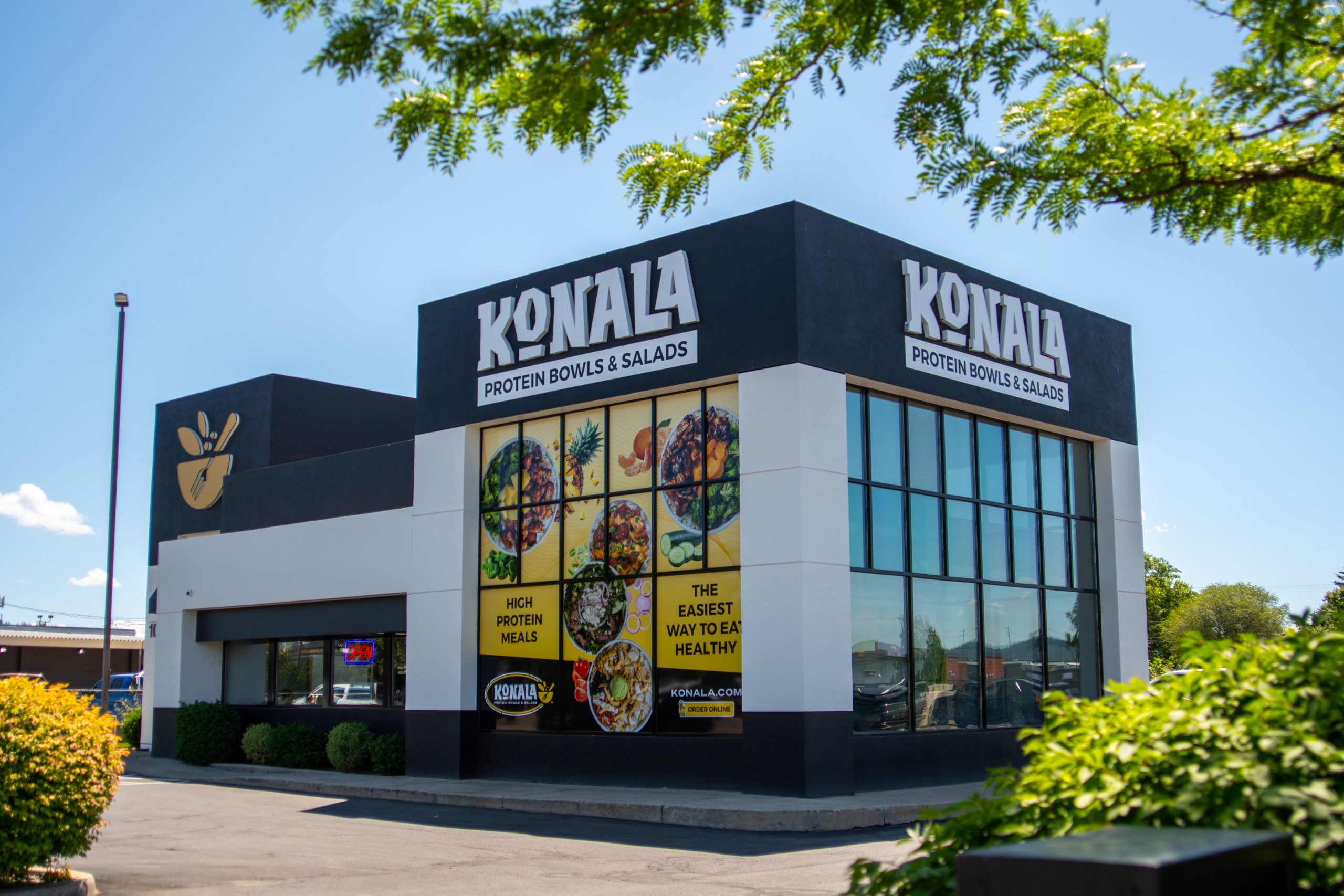
We’ve seen format flexibility transform several franchise industries. In foodservice, the move toward non-traditional locations – airports, university campuses, and more – has opened entire markets that a freestanding model would never touch. In wellness, in-line and shared-space formats brought operators into the category who couldn’t have financed ground-up construction. In each case, the brand promise didn’t change. What changed was the willingness to separate real estate format from operational excellence, which opened doors for more operators.
The Category That Makes the Case
Early childhood education is where I know this dynamic most directly, and it may be the strongest illustration of what’s at stake.
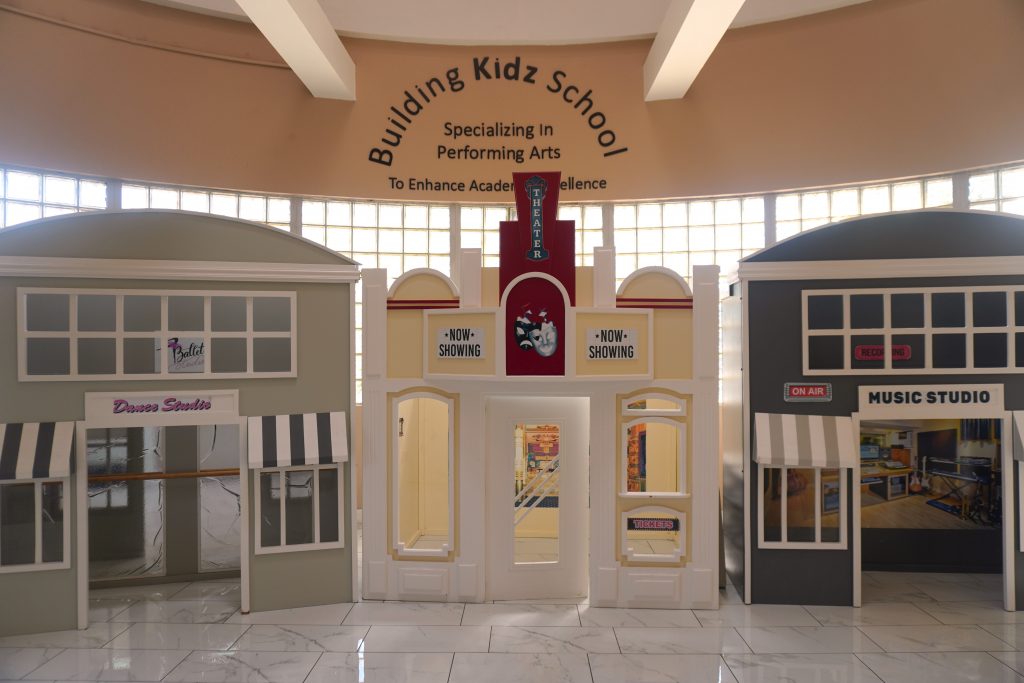
The dominant model in this space is new-build or standalone construction – facilities designed specifically to serve as childcare centers or preschools. These are beautiful campuses. They can also be prohibitively expensive for some. Initial investments run into seven figures, development timelines may stretch years before doors open, and a return on investment may extend a decade. This works for certain investors but closes the door on many others – including educators and community-builders who would be exceptional at running these schools.
At Building Kidz School, flexibility is our operating principle. Franchisees can open through new site development in retail centers or standalone buildings, pursue residential conversions, or acquire and rebrand an existing private preschool. We also partner with churches, corporations and business centers for onsite and offsite campuses. The total investment is reduced, which allows great candidates an opportunity that otherwise would be unavailable.
We can absolutely succeed in a traditional large-box environment with expansive square footage, dedicated drop-off circulation and purpose-built infrastructure, and we know how to replicate that model effectively. What excites us even more, though, is creating opportunities for entrepreneurs from all walks of life to enter this industry through a wider range of real estate formats. The goal isn’t simply to reduce square footage or development costs – it’s to help operators become operationally efficient and financially successful without requiring extraordinary amounts of capital upfront.
There is a tremendous need for quality early childhood education in communities across the country, and we believe more passionate educators, business leaders and community-builders should have a realistic path to participate in solving that need.
Lowering the Bar to Entry, But Not the Bar to Excellence
The franchise industry has a genuine interest in making quality opportunities accessible to more operators. Not by softening standards, but by removing structural barriers that don’t correlate with operator quality. Real estate flexibility presents a great opportunity to do just that.
For first-time franchisees, the location question becomes a problem to work through rather than a barrier. For experienced multi-unit operators, more tools are available for portfolio construction. For brands, more markets become available for expansion.
Real estate flexibility is a major part of what lets a strong concept reach its full potential – in more markets, with more operators, serving more people.
The franchises that have learned to separate real estate format from operational excellence are the ones creating room for the next generation of operators. That’s often the difference between a model that works for a few and one that genuinely works for many.
About the author
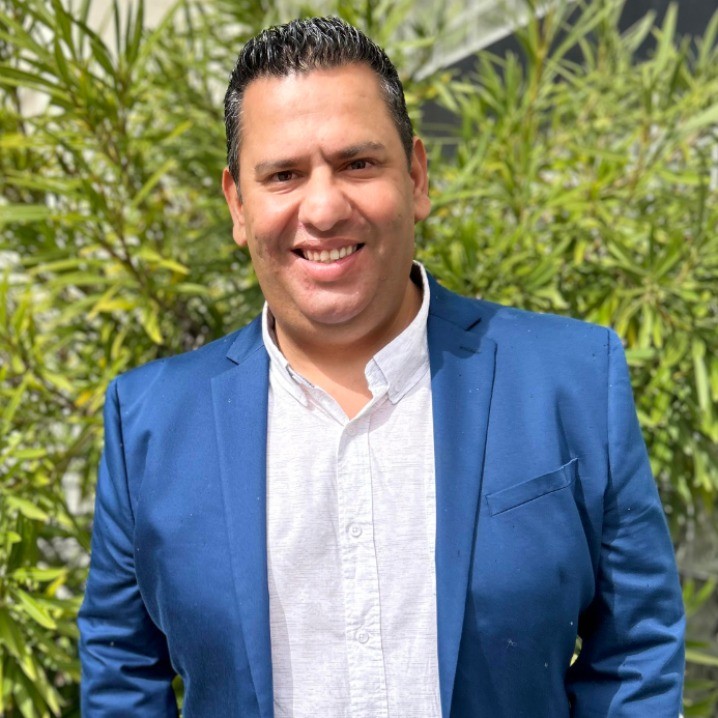 Sangeet Karamchandani is a Partner, COO and CTO for Building Kidz Worldwide.
Sangeet has a passion to grow the Building Kidz early childhood education model and scale it to all children across the globe. He oversees all aspects of real estate and technology direction for the company in addition to onboarding of new franchisees, ensuring a smooth transition process from the early stages of acquisition or startup to opening, and successfully operating a compliant Building Kidz School campus.
Sangeet is also responsible for creating operational procedures and structure, as well as supporting the day-to-day delivery of the company’s products and services while ensuring cross functional alignment with Business Development.
Prior to Building Kidz Worldwide, Sangeet spent over a decade in semiconductor operations management and has a proven track record of leading projects and engineering teams to success with various Silicon Valley technology companies.
Sangeet holds a Bachelor’s Degree in Electrical Engineering and a Master’s Degree in Management and Leadership.
Sangeet is a proud dad and enjoys spending time with his family and playing golf in his free time.