South Florida is no longer an emerging market. It’s a proven gateway economy.
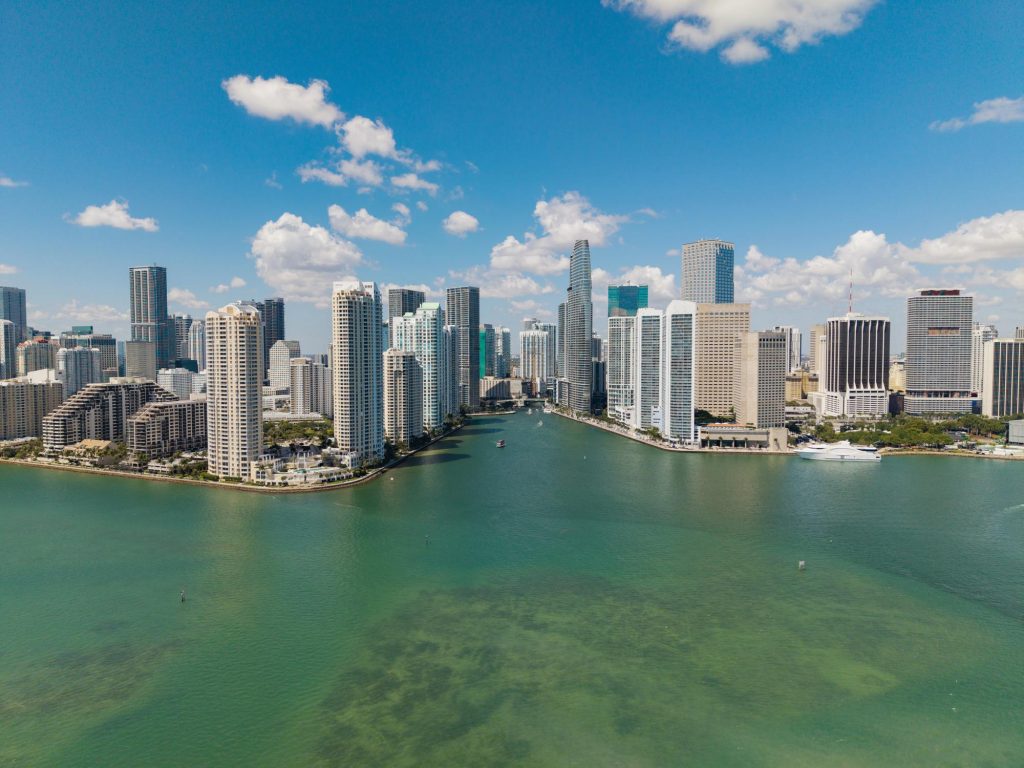
Over the past several years, Miami and the broader tri-county region (Miami-Dade, Broward, Palm Beach) have transformed into a magnet for franchise systems, private equity groups, startups, and international operators. Strategic geography, tax advantages, and a business-forward culture have repositioned the region as both a U.S. expansion hub and a Latin American launchpad.
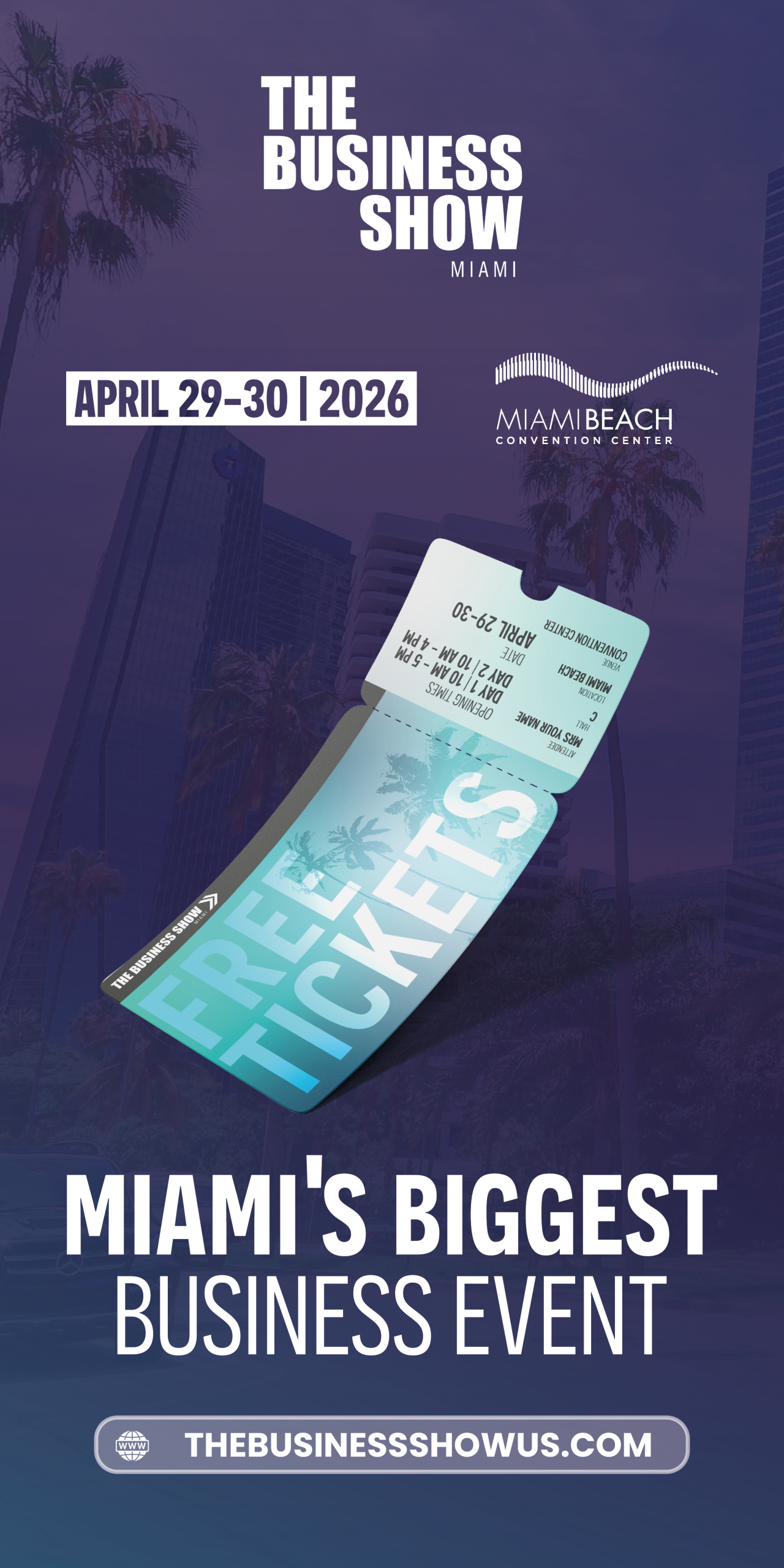
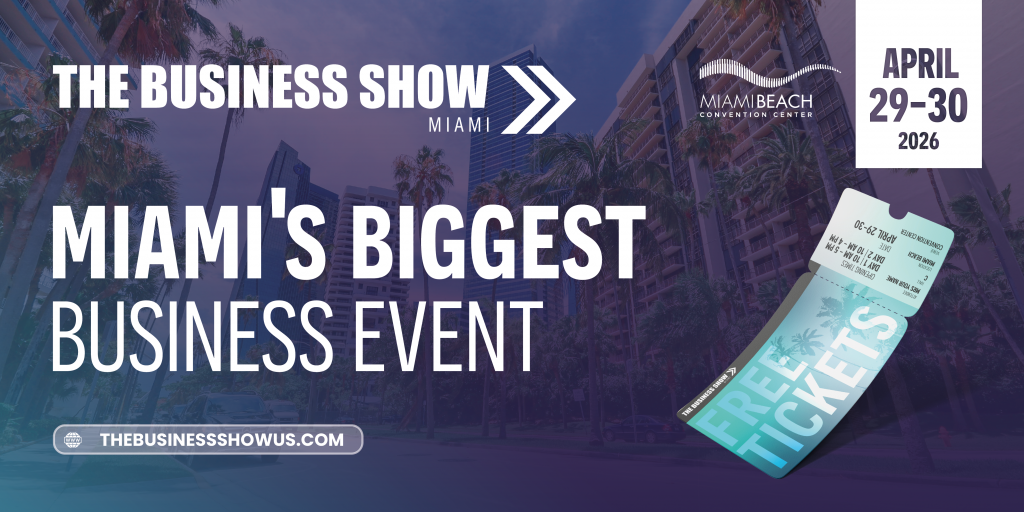
That’s why Franchise Magazine USA is proud to join The Business Show Miami 2026 as a media partner this April 29–30 at the Miami Beach Convention Center. The event is the perfect opportunity for area leaders, investors, and operators to come together and uncover opportunities for expansion and growth across the region.
We’re especially excited to announce the show will include a special Masterclass on franchise building, led by Franchise Building Expert’s Don Schin, a CEO with over 25 years of experience in the growth and franchising space.
Why Entrepreneurs Need to Attend
If you’re looking to take the next step in launching or growing your business, The Business Show Miami is where you will find the investor, company, or opportunity you need to get to the next level.
The show brings together more than 6,000 attendants and 200 exhibitors across IT, marketing, finance, HR, ecommerce, retail, and more. It includes both organic face-to-face networking opportunities in the exhition hall as well as structured speed networking sessions focused on expanding your contact list and helping you discover new partnership opportunities.
The two-day event also includes 100+ expert speakers and seminars, each focused on actionable strategies that you can use to grow. Topics include:
- From Provider to Growth Partner: A Blueprint for Scale
- The Agentic Enterprise: The AI Digital Workforce for SMB & Entrepreneurs
- From Chaos to Control – Building a Resilient Supply Chain as a Small Business
- The “Secret Sauce” to Effective Email Marketing
- Pricing for Profit: Stop Leaving Money on the Table
…And many more. You can see the full agenda for this year’s learning sessions here.
Whatever challenge you’re facing, there will be an exhibitor or speaker in Miami who’s been there before and can show you the path forward.
One of the most exciting aspects of the show is that attendee tickets are completely free. That means you can explore, network, and talk business with the region’s top minds over the course of two days – a priceless growth opportunity – at no cost to you.
If you’re interested in free tickets to The Business Show Miami 2026, you can get them here.
Why Businesses Need to Exhibit
If you’re looking to expand your business’ footprint in Florida, whether it’s finding new franchisees, connecting with area solution providers, or meeting new customers, The Business Show Miami is the perfect place to identify your next move in the Sunshine State.
Exhibitors love events from The Business Show for three main reasons:
- Multi-day access to over 6,000 SMB owners and senior decision makers
- 93% of attendees have purchasing authority
- Guaranteed exposure and brand awareness within the South Florida community and beyond
- Listings on the website and in the Showguide
- Additional opportunities for pre-marketing, networking, etc.
- Proven ROI and sales
- 78% of attendees purchase from exhibitors at or after the show
- Exhibitors generate an average of 103 leads
Part of what makes these events so impactful is The Business Show team’s dedication to making the most of the experience for exhibitors. Each exhibitor has a dedicated account manager to assist with setup, troubleshooting, and ensuring their booth is impactful. In fact, The Business Show has been such an exhibitor-friendly and productive event that 67% of last year’s exhibitors rebooked on the day.
Whatever it is that you manufacture, provide, or offer, The Business Show Miami 2026 is the ideal place for you to show off your work, make powerful connections, and line up opportunities that will support success for years to come.
With less than two months until the show, there are still limited booths available. If you’re interested in exhibiting in Miami this April, you can learn more here.
What’s So Special About South Florida?
So why is The Business Show coming to Florida this year? It’s one of the most strategic places in the United States for business owners who are looking to control costs while still operating in a thriving market with great talent.
As a franchise business, there are a lot of things to love about the environment in Florida, but here are our top three considerations for companies looking to expand in greater Miami:
1. It’s a Gateway, Not Just a Metro
South Florida functions as:
- A gateway to Latin America and the Caribbean
- A logistics corridor supported by PortMiami and major airports
- A financial bridge connecting U.S. capital to international entrepreneurs
This creates two distinct advantages.
Access to global franchise talent and capital.
Many franchise buyers in South Florida maintain international networks, overseas supply chains, or multi-country investments.
Brand amplification beyond state lines.
A successful Miami presence elevates visibility across Latin markets and international tourism channels.
However, competition isn’t just local. It’s international. Brands expand here alongside global hospitality groups, imported restaurant concepts, and international retail chains.
Strategic Insight:
Franchisors should evaluate whether their systems can support multilingual marketing, culturally adaptive messaging, and operational structures that resonate with a globally influenced customer base.
2. Talent: Abundant but Highly Competitive
South Florida’s workforce is one of its strongest assets.
The region offers:
- Bilingual and multicultural employees
- Hospitality-trained professionals
- Entrepreneurial operators
- A growing tech-forward talent base
However, employers face increasing wage pressure.
Workers have options — from tech startups and international trade firms to hospitality conglomerates and remote roles tied to out-of-state companies. The competition for leadership-level talent is particularly intense.
Operational Recommendation:
- Strengthen unit-level leadership training
- Offer advancement pathways beyond entry-level roles
- Incentivize retention during peak tourism cycles
Winning in South Florida means competing as an employer of choice — not just a recognizable brand.
3. Tourism as an Economic Multiplier
South Florida benefits from year-round tourism and seasonal population influxes.
Advantages include:
- Elevated foot traffic
- Premium pricing windows
- Q1 and Q4 revenue spikes
But seasonality introduces volatility:
- Staffing fluctuations
- Inventory forecasting challenges
- Revenue compression during slower periods
Franchisors should equip operators with tourism-aware planning strategies, including seasonal workforce models and realistic cash flow forecasting.
Revenue surges are powerful — if paired with operational discipline.
Ready to Learn More? Attend The Business Show Miami
Whether you’re a Florida entrepreneur or a major corporation looking to expand its presence in Florida, The Business Show Miami 2026 is an incredible opportunity to connect with the local business community, uncover new strategic allies, and map your next big win. You can learn more at https://thebusinessshowus.com.